
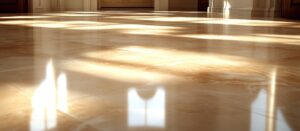
 Flooring design has become a major element in interior aesthetics, shaping the feel and functionality of every space. When choosing between traditional and trendy flooring designs, homeowners balance timeless charm against modern innovation. Each offers unique benefits in terms of durability, style and personal preference. Here’s a comparison to help navigate the decision.
Traditional flooring typically includes options like hardwood and stone, with a strong emphasis on natural materials and craftsmanship. One of the most popular choices, hardwood, has been used for centuries. Known for its durability and warm, inviting appearance, hardwoods like oak, walnut and cherry have rich, distinctive grain patterns that only grow more beautiful over time. These floors can last for decades with proper care, and they’re easily refinished if they become scratched or worn. Traditional stone floors, such as marble or limestone, similarly offer a sense of luxury and have been prized for centuries for their unique, durable and refined look.
Patterns are also a hallmark of traditional flooring. Herringbone and chevron patterns in hardwood, as well as intricate mosaic tiles, have been around for generations and remain popular in classic interiors.
Traditional options can be more expensive and may require more maintenance. Hardwood is susceptible to water damage, while natural stones can be costly to install and need regular sealing. Nonetheless, these materials remain a solid investment as they’re typically associated with high property value and timeless appeal.
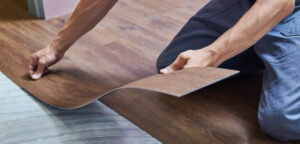 Trendy flooring, on the other hand, reflects contemporary design preferences and often incorporates synthetic materials, innovative textures and bold patterns. Vinyl plank flooring, for example, has recently gained popularity for its affordability, ease of installation and water resistance. Vinyl can mimic the look of wood or stone with surprising accuracy, allowing homeowners to achieve high-end looks on a budget. Luxury vinyl tiles (LVT) are especially popular for areas like kitchens and bathrooms, where traditional wood would be impractical.
Bold colors and patterns are another hallmark of trendy flooring. Terrazzo, with its mix of chips from quartz, granite and other materials, has made a resurgence. Its colorful and customizable nature allows homeowners to bring a playful, modern edge to their spaces. Likewise, geometric tiles in bold colors add a fresh, graphic feel to bathrooms, entryways and kitchens. In some trendy designs, flooring becomes an accent piece, drawing attention and adding personality to the room.
Another trend is the use of eco-friendly and sustainable materials like bamboo and cork. These renewable resources are celebrated not only for their environmental benefits but also for their unique textures and warmth. They appeal to eco-conscious homeowners who want to reduce their environmental footprint without compromising on style.