
 Many patients arrive at chiropractors’ offices describing a “slipped disc”—hoping they have a magic solution to make the pain disappear. While it’s a popular term, the idea of a disc actually “slipping” is more myth than reality. Let’s separate fact from fiction—and show you how chiropractic care can help.
Your spinal discs are incredible shock absorbers. Each one has a jelly-like center surrounded by tough, fibrous cartilage. These discs cushion the spine, act as spacers for the nerves and allow us to bend and twist with ease.
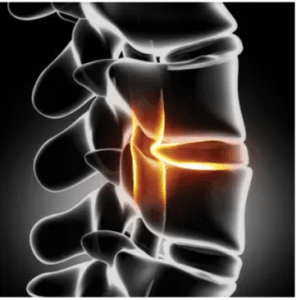
Over time, discs may naturally lose hydration and flexibility. If excessive pressure or trauma occurs, the soft center can bulge or push through a weakened, torn area of the outer ring—this is what people often call a “slipped” disc.
When disc material irritates or compresses a spinal nerve, it can cause:
- Radiating leg or arm pain
- Numbness or tingling
- Muscle weakness
Patients often report that the radiating symptoms—especially into the legs—are more intense than any back pain itself. Clinical examination and possibly an MRI can confirm a herniation and nerve involvement.
Two Common Disc Issues
Bulging Disc: A weakened outer ring allows the disc’s center to bulge, pressing on nearby nerves.
Herniated Disc: The inner gel-like core pushes through a tear in the cartilage—more common and more serious in the lower back.
What Treatment Looks Like
Fortunately, many disc problems can be managed conservatively—without surgery. Medication may address the symptom but not the cause, which is mechanical in nature, not chemical. All aspects of the injury need to be addressed. Exercise or medication alone won’t restore the area to normal working condition, which is necessary for proper healing and limiting future recurrence or progressive degenerative disease. Here’s what you can expect:
- Chiropractic adjustments to restore mobility and reduce nerve pressure are key
- Modalities for anti-inflammatory support
- Spinal decompression therapy
- Comprehensive home corrective exercise program
Patience—consistent care over 6–8 weeks often yields excellent results. Remember it may have taken years to get to this point and it will take time to heal.
The truth? Discs don’t really “slip”—but they can herniate or bulge, causing pain. Chiropractic care offers a non-invasive, drug-free way to treat many disc-related conditions. For some patients, this care can even prevent further issues and surgery.
