
 As February begins, many of us find ourselves stuck in a familiar cycle: having made enthusiastic New Year’s resolutions to prioritize wellness, only to discover that our good intentions have been left by the wayside. Why do we so often struggle with reaching our health and wellness goals?
The diet and fitness industry spends billions of dollars each year, much of that concentrated over the New Year, on flashy branding and marketing campaigns to sell us new ways to improve our health and wellness. But it can be hard to decipher which ones are actually beneficial to our health – and which ones we should avoid altogether. As we resolve to prioritize our health and stay fit, let’s look a bit deeper into some toxic fitness trends out there so that you don’t inadvertently do more harm than good when approaching your health and wellness goals.
- Go Hard or Go Home Exercise Mentality
Unless you are a trained athlete and looking to improve your performance, extreme exercise can lead to injuries, burnout, and other health problems. The idea that you have to do more, go to extremes or feel the burn is damaging physically and psychologically. When someone is unable to push beyond their limits they are often left with feelings of shame which then lead to not working out at all. Instead of this all or nothing mentality, listen to your body when working out and rest when needed.
- Fad Diets
Any diet that makes promises for quick and easy weight loss without having to change your lifestyle is likely not supporting your long-term health goals. These diets are often very restrictive, cutting out entire food groups or limiting your intake to such an extent that you’re not getting the nutrients your body needs.
Not only are fad diets ineffective in the long run, but they can also be dangerous because they are often not sustainable in the long term, as people typically cannot stick to them for more than a few weeks or months. Questions to ask yourself before trying out a new diet:
- Is this sustainable? Can I continue eating this way for the rest of my life?
- Does this way of eating support my health or is it just about weight loss?
- Will eating this way be enjoyable?
If you have said no to any of the above questions, steer clear.
- Detoxes, Cleanses and “Snake Oil” Supplements
Detoxes and cleanses are often touted as a way to “cleanse” your body of toxins and improve your overall health. However, our bodies are actually very good at detoxing on their own – we have organs like the liver and kidneys that filter out toxins. Additionally, most of the foods that are promoted as part of a detox or cleanse are actually just healthy foods that you could be eating anyway. There is no evidence that these types of programs actually do anything to improve your health.
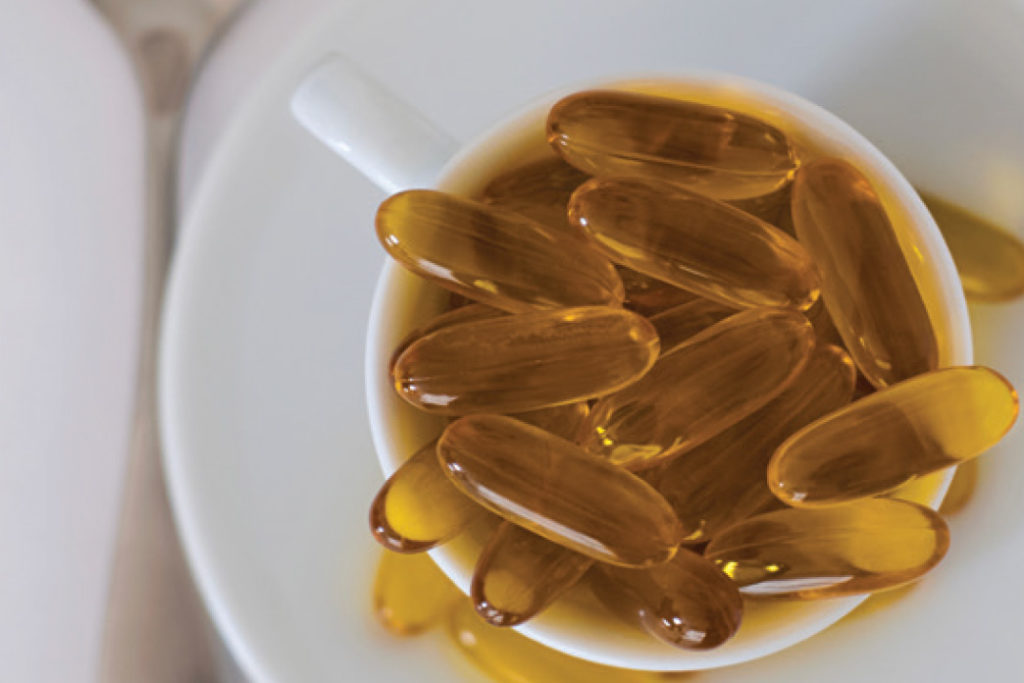
Most “detoxes” and “cleanses” involve consuming only juice or water for days or even weeks at a time, which can lead to dehydration and other health problems. Similarly supplements on the market that claim to boost your energy, help you lose weight or improve your health in some other way, are not proven to be effective, and some can even be dangerous. Save your money.
- Exercise Gadgets
There are all sorts of gadgets on the market that claim to help you get in shape, from ab belts that supposedly give you six-pack abs to vibrating machines that promise to tone your whole body. However, most of these gadgets are ineffective and a waste of money. If you want to get in shape, the best way to do so is through some form of movement, hopefully, one you enjoy.
- Unrealistic Beauty Standards
Unhealthy body standards can take an immense toll on not only our self-image, but also our overall well-being. Let us be kind to ourselves and learn how to love the skin we’re in!
As we move forward into the new year, it’s important to be mindful of the health trends that are becoming popular. Some of these “health” trends may actually do more harm than good. By avoiding the five health trends listed above, you can set yourself up for a happy and healthy 2023.