
 Since even before the pandemic changed all of our lives in very big ways, the housing, construction and related industries, including plumbing, were in a state of transition. Housing start fluctuations, raw materials becoming harder to source in a timely manner, as well as the outrageous price increase of everything, have made plumbers look for new solutions.
Increasing environmental concerns play a big role in consumer preferences when it comes to plumbing fixtures and systems, including water treatment and conservation systems. Homeowners are becoming increasingly aware of water consumption and are seeking new, environmentally friendly ways to deal with plumbing issues while still lessening their carbon footprint and creating a healthier home.
Here are some current trends we are seeing in the plumbing industry
Tankless/Instant Water Heaters
These are energy-efficient, low-cost and easy to install. Their popularity is largely driven by severe energy and water-supply interruptions.
Low-flow Systems
By using less water to accomplish everyday activities, such as showering, washing your hands or flushing the toilet, these systems can reduce water usage by as much as 60 percent over standard fixtures.
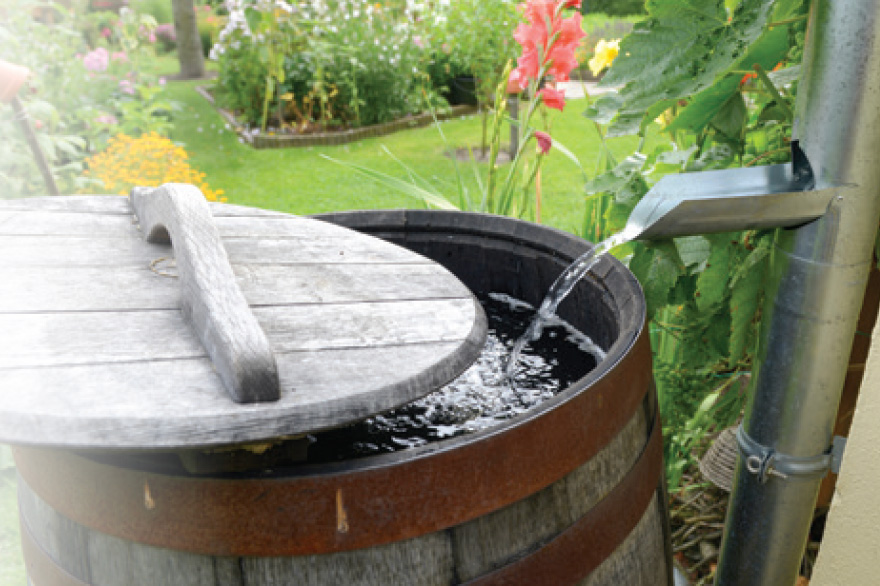
Rainwater Harvesting
This involves collecting the run-off from structures or other impervious surfaces, and diverting it or storing it for later use.
Greywater Recycling Systems
Greywater is reusable wastewater from washing machines, showers, baths and basins, which can then be reused for your garden and landscaping. It is a good source of useful nutrients for many plants, and it can be a source of water for irrigation all year round.
Sustainable Materials
Copper, brass and PVC piping are all becoming even more popular because they are long-lasting and help reduce waste.
Solar-powered HVAC Systems
These are great for homeowners and businesses who want to reduce their carbon/water footprint while still saving money.
Smart Plumbing Technology
This includes smart toilets, showers and water heaters. Water usage and leak detectors, smart analytics and motion-sensor faucets help to improve efficiency and conserve both energy and water. Some can even be monitored and operated remotely from your smartphone.
Infrared Remote Leak Monitoring
Through wireless technology, these smart water-management systems alert owners to early leak-detection, water outages and system faults in real time so they can be remedied quickly without too much loss of resources.
Customization Through 3-D Printing
Components can be measured and created on-site, allowing for the ability to create parts that aren’t typical shapes or sizes, and fit perfectly.