
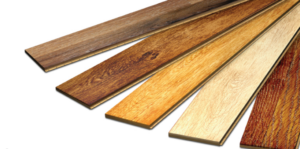
 For years, grey flooring has been a staple in interior design. Its cool, neutral tones fit perfectly with modern and minimalist aesthetics, making it a go-to choice for homeowners, designers and commercial spaces alike. However, the once-dominant grey is now starting to lose its grip on the flooring industry, with warmer and more natural tones taking its place. This shift signals a broader trend in home decor — one that emphasizes comfort, coziness and a deeper connection to nature.
The Rise and Reign of Grey
The popularity of grey flooring can be traced back to the early 2010s when the minimalist and industrial design trends were at their peak. Grey offered a sleek, modern look that was versatile enough to complement a wide range of furniture styles, wall colors and decor elements. Whether it was used in hardwood, laminate or vinyl, grey flooring became synonymous with a chic, urban vibe.
Its neutral nature made it an appealing choice for homeowners looking for a foundation that wouldn’t clash with other colors in their spaces. Grey could be dressed up or down, paired with both bold and subtle hues, making it a practical option for many. Its cool undertones also gave spaces a sense of openness and calm, especially when combined with metals and minimalist decor.
Why Grey is Fading Out
Despite its popularity, grey is gradually being replaced by warmer, earthier tones in the flooring industry. Several factors are driving this change, with a notable one being the shift in consumer preferences toward cozier, more inviting spaces. The global pandemic played a major role in this evolution, as people spent more time at home and began seeking environments that felt more comfortable and nurturing.
Additionally, the trend toward natural and organic materials has further accelerated the decline of grey flooring. Biophilic design, which emphasizes a connection to the natural world, is influencing flooring choices, with wood-look floors in warm tones and natural textures becoming highly sought after.
The Trend: Warmth and Texture
The growing demand for warmth in interior spaces has led to an increased interest in wood-inspired flooring, where natural shades like oak, maple and walnut dominate. These warmer tones create a sense of intimacy and comfort, making spaces feel more homey. In contrast to grey’s sleekness, these natural hues often come with more pronounced grain patterns and textures that add depth and character to a room.
Wide-plank wood floors and wood-look vinyl are especially popular, as they combine the rustic beauty of natural wood with modern durability and ease of maintenance. These materials offer homeowners the chance to create cozy environments that still feel luxurious and timeless.
While grey flooring may not completely disappear, it is clearly taking a back seat as homeowners and designers move toward warmer, earthier tones that bring comfort and a sense of nature into living spaces.