
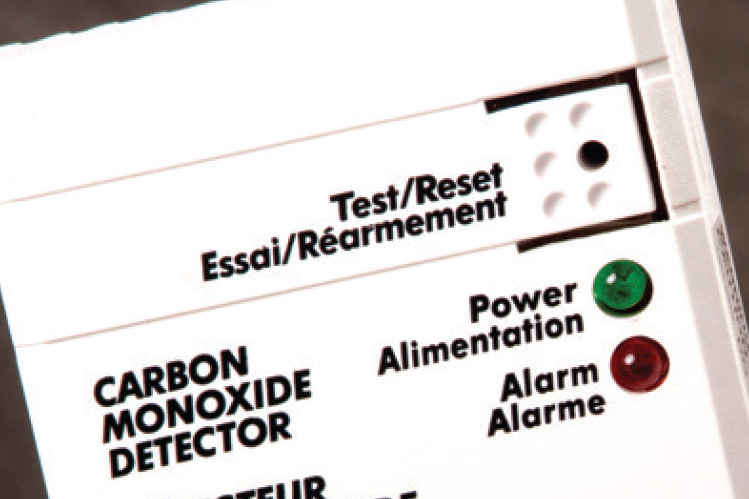
 Tasteless, colorless, odorless carbon monoxide (CO) is produced by almost every fuel-burning appliance, including furnaces, water heaters, fireplaces, grills and gas space heaters. When such equipment works correctly, very little CO escapes, and what does escape gets vented harmlessly to the outside. However, when something goes wrong with the equipment or the venting, CO becomes a deadly household hazard.
Here are some things to know about CO and how to guard against it causing a tragedy in your home.
- Some symptoms of CO poisoning are headache, dizziness, nausea, weakness, sleepiness and disorientation. Unfortunately, these same symptoms are associated with flu, food poisoning and other afflictions, leading to many misdiagnoses. A cherry red face is also a possible sign of CO poisoning.
- For healthy adults, CO becomes toxic when it reaches a level higher than 35 ppm (parts per million) with continuous exposure over an 8-hour period. This is the maximum exposure tolerated by OSHA. Mild exposure over 2-3 hours (a CO level between 35 ppm and 200 ppm) will produce dizziness, drowsiness and vomiting in as little as 1 hour. This level of exposure is life threatening once three hours have passed. Extreme exposure (800+ ppm) will lead to unconsciousness, brain damage and death in as little as a few minutes. Infants and people with heart conditions are more susceptible to CO poisoning than healthy adults.
- If anyone experiences CO poisoning symptoms, vacate the home immediately and notify the fire or police department. Don’t open doors and windows because that makes it hard for authorities to determine whether there is a CO problem when they inspect the home.
- Broken or blocked vents and flues are probably the most common cause of CO buildup. If you see any holes, disconnections or rust stains indicating corrosion, call a professional immediately. Be sure rooftop vents have guards to prevent birds’ nests or other debris from falling into the chimney and blocking the escape of harmful gasses.
- Carbon monoxide results from incomplete combustion. Many appliances have built-in safety components that prevent operation if an unsafe condition exists. If an appliance keeps shutting off, don’t keep turning it back on, especially if you experience any of the above symptoms. Have it checked by a professional.
- CO detectors should be installed where they can best be heard, including outside bedrooms so people can hear the alarm while sleeping. Installing a detector near a furnace, water heater or other CO-emitting appliance will likely result in many false alarms.